Awning
Windows
Hinged at the top and opening outward from the bottom, awning windows let fresh air in while keeping rain out. The glass panel acts as a built-in shield — so you can ventilate in any weather.
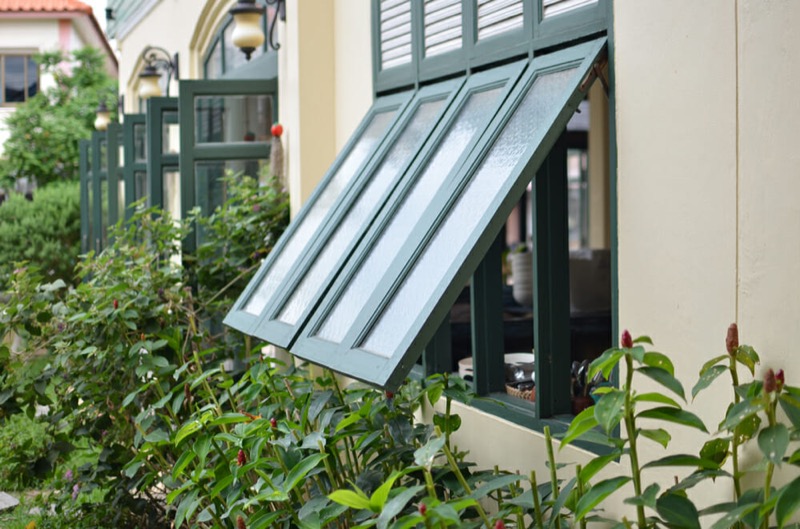
What is an Awning Window?
An awning window is hinged at the top and swings outward from the bottom using a crank handle. When open, the glass pane angles away from the wall like an awning — deflecting rain and debris while allowing fresh air to flow in from below.
This unique design makes awning windows the only operable window style that can stay open during a rainstorm without letting water inside. They are often placed higher on walls for privacy and airflow, or combined with fixed picture windows to add ventilation to large glass expanses.
Benefits of Awning Windows
From rain-proof ventilation to airtight sealing, awning windows deliver exceptional performance in spaces where other styles fall short.
Ventilation in Rain
The outward-angled glass acts as a canopy, deflecting rain while fresh air flows in from below — the only window you can leave open in a storm.
Privacy Placement
Installed higher on walls, awning windows provide airflow and natural light while keeping sightlines well above eye level for full privacy.
Excellent Seal
When closed, the sash presses firmly against the frame under its own weight, creating a compression seal that blocks drafts and moisture.
Easy Crank Operation
A smooth folding crank handle lets you open and close the window effortlessly — even when installed in hard-to-reach locations above counters or furniture.
Weather Protection
The top-hinged design naturally sheds water away from the opening, making awning windows ideal for Georgia's frequent afternoon thunderstorms.
Energy Efficient
The compression seal, Low-E glass, and argon gas fill work together to exceed ENERGY STAR requirements — lowering your heating and cooling bills.
Compact Design
Awning windows fit in narrow or short wall spaces where other window types won't — perfect for above cabinets, in basements, or between floors.
Security
The narrow opening angle and high placement make awning windows difficult to breach from outside, adding an extra layer of home security.
Premium Features We Include
Every awning window we install comes loaded with high-performance components for lasting comfort and durability.
Low-E Glass
Microscopically thin metallic layers reflect infrared heat while admitting visible light, keeping your home cooler in summer and warmer in winter.
Argon Gas Fill
Inert argon gas between panes reduces heat transfer more effectively than air alone, improving thermal performance by up to 30%.
Heavy-Duty Hinges
Corrosion-resistant stainless steel hinges engineered to support the full weight of the sash and withstand years of daily operation without sagging.
Folding Crank Handle
A low-profile folding crank sits flush with the frame when not in use, allowing blinds and curtains to hang flat against the window.
Premium Weatherstripping
Continuous compression weatherstripping around all four sides of the sash blocks drafts and moisture infiltration year-round.
Warm-Edge Spacers
Non-metallic spacer systems between panes reduce heat conduction at the glass edge and minimize interior condensation.
Where Awning Windows Shine
Awning windows excel in locations that need ventilation, privacy, or weather protection — especially tight or hard-to-reach spaces.
Bathrooms
Installed high on the wall for privacy, they vent steam and moisture without exposing the interior to passersby.
Basements
Their compact profile fits narrow basement openings near the ceiling, providing airflow and egress light below grade.
Kitchens
The crank handle is easy to reach over counters and sinks, and the outward opening won't interfere with faucets or splashbacks.
Above or Below Other Windows
Stack awning windows above or below fixed picture windows to add ventilation to large glass walls without breaking the view.
Garages & Utility Rooms
Provide cross-ventilation and daylight in workshops, laundry rooms, and garages while remaining secure and weathertight.
Awning vs. Casement
Both use a crank mechanism and swing outward, but the hinge placement changes everything. Here's how they compare.
Our recommendation: Choose awning windows when you need rain-proof ventilation, high-wall placement, or a compact profile. Choose casement when maximum airflow and full-opening access are the priority.
ENERGY STAR Certified
Our awning windows meet or exceed ENERGY STAR requirements for the Southern climate zone. The compression seal design delivers some of the lowest air infiltration ratings of any operable window style.
$101–$583 saved per year when replacing single-pane windows with ENERGY STAR certified windows
Up to 99% UV blocking with Low-E glass — protects furniture, floors, and artwork from fading
25–30% of home energy is lost through windows — high-performance replacements are one of the most impactful upgrades
Ready for New Awning Windows?
Get a free, no-obligation quote for your window replacement project. Our team will help you choose the perfect awning windows for your home's unique needs.